Why High Pressure Is Not Always the Best Cleaning Choice
@dallassfri290
November 25, 2026 · 7 min read
Pressure washing has a reputation as the go-to solution for almost any outdoor cleaning job. Blast away the grime, and everything looks new again. In reality, it is not that simple. Across Sydney's eastern suburbs, from Bondi and Coogee to Vaucluse, Paddington and Randwick, the mix of salt air, older heritage buildings, sandstone, rendered walls and delicate coastal landscaping means that high pressure can cause as many problems as it solves. Understanding when to use it, and when to choose a gentler method, can save you money and protect your property.
What "High Pressure" Actually Means
A typical domestic pressure washer produces anywhere from 1,500 to 3,000 PSI (pounds per square inch). Commercial units can go well beyond that. For comparison, a garden hose delivers around 40 to 60 PSI. At the upper end of the range, water leaves the nozzle with enough force to strip paint, etch timber, and cut into soft masonry.

Pressure is only one part of the equation. Flow rate (litres per minute), nozzle angle, water temperature, detergent choice and the distance from the surface all determine the result. A skilled operator balances these factors rather than simply turning the pressure to maximum.
Surfaces That Can Be Damaged by High Pressure
Many materials common in Sydney's eastern suburbs are vulnerable to aggressive cleaning. Here is how some of the most common surfaces respond.
Sandstone
Sydney sandstone is a defining feature of many older homes, retaining walls and garden steps. It is a relatively soft, porous stone. High pressure can erode the surface, remove the protective outer layer, and leave a pitted, uneven finish. Once sandstone is damaged this way, it tends to attract more dirt and moss in the future, and the damage cannot be reversed.
Rendered and Painted Walls
Cement render can crack or crumble when hit with concentrated pressure, especially on older homes where the render is already ageing. Water can also be forced behind the render or into small cracks, leading to damp problems and bubbling paint. Painted surfaces may flake or https://lorenzogsnb029.clearminster.com/posts/how-often-should-you-clean-pool-surrounds-in-coastal-sydney peel, particularly if the paint is old or poorly bonded.
Timber Decks and Fences
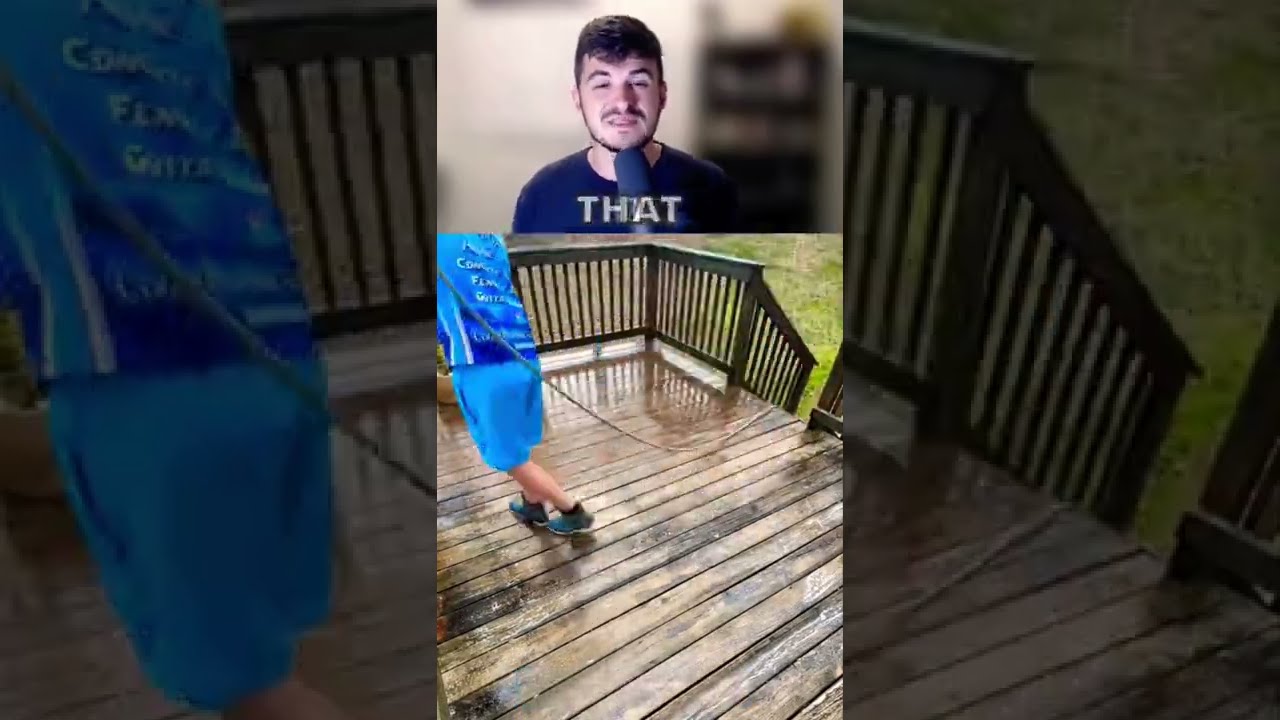
Timber is a natural fibre. Excessive pressure raises the grain, leaves furry or striped marks (often called "tiger striping"), and can splinter softer woods. Decks in salt-exposed areas are already under stress from weather, so aggressive cleaning accelerates wear.
Roof Tiles and Roofing Materials
Concrete and terracotta tiles have a protective surface layer or glaze. High pressure can strip this away, leaving tiles more porous and prone to absorbing water and growing moss. It can also dislodge or crack tiles and force water beneath them, potentially causing leaks inside the roof space. Walking on a wet roof with a pressure cleaner is also a serious safety risk.
Windows, Seals and Fly Screens
Window frames, rubber seals and flyscreens are not designed to handle strong jets. Water can get past seals and into wall cavities, and older glass or putty can be loosened or cracked.
Pavers, Pebblecrete and Exposed Aggregate
Pavers can lose sand from between the joints, which destabilises them over time. Exposed aggregate and pebblecrete can have stones dislodged, leaving a rough, patchy surface. Sealed surfaces can lose their sealant, leaving them exposed to stains.
The Alternative: Soft Washing
Soft washing is a low-pressure cleaning method that relies on specially formulated detergents and biodegradable cleaning solutions to do the hard work, rather than force. The pressure used is often similar to that of a garden hose. The solution is applied to the surface, given time to break down mould, algae, lichen and organic matter at the root, and then rinsed away gently.
This approach has several advantages:
- Safer for delicate surfaces: Render, painted walls, roof tiles and cladding are cleaned without being eroded or stripped.
- Longer-lasting results: Because organic growth is treated at the source, mould and algae are slower to return compared with a surface that has merely been blasted.
- Less risk of water intrusion: Lower pressure means less chance of forcing water behind cladding, under tiles or into window frames.
- Better for the surface's lifespan: Protective coatings, paint and sealants stay intact.
When High Pressure Is Still the Right Choice
None of this means high pressure is always a bad option. It remains effective and appropriate on hard, durable surfaces that can withstand it, including:
- Plain, well-laid concrete driveways and paths
- Heavy oil and grease stains on garage floors (often combined with a degreaser)
- Commercial loading docks and car parks
- Brick and masonry in good condition, using a controlled pressure and the correct nozzle
- Removing stubborn built-up grime from robust surfaces like steel or concrete retaining walls
Even on these surfaces, technique matters. Using a wide fan nozzle, keeping a consistent distance and working methodically helps prevent streaking and surface damage.
Coastal Conditions in the Eastern Suburbs
Properties near the ocean face a particular set of challenges. Salt spray settles on walls, windows, balustrades and outdoor furniture, and humidity encourages mould and algae growth, especially on south-facing walls and shaded areas. Salt can also be abrasive and can already weaken coatings over time. Combining that with excessive pressure risks speeding up the deterioration of paint, sealants and metal finishes.
For homes in these conditions, regular gentle cleaning is typically more effective than occasional aggressive cleaning. Rinsing salt deposits from windows, frames and metalwork with fresh water, and treating mould before it becomes severe, helps maintain surfaces and reduces the need for heavy-handed methods later.
Environmental and Regulatory Considerations
Eastern suburbs properties sit close to harbours, beaches and stormwater systems that drain directly to waterways. Wastewater from cleaning, especially if it contains detergents, paint flakes or sediment, should not simply flow into stormwater drains. Responsible cleaners in 2026 manage runoff by blocking drains, collecting wastewater where required, and choosing biodegradable products. Local council guidelines and NSW environmental rules around stormwater pollution apply, and Sydney Water restrictions on water use may be relevant from time to time, so it is worth checking current requirements before any large cleaning project.

Soft washing generally uses less water than high-pressure blasting, which is an added benefit in a city where water efficiency is increasingly valued.
How to Choose the Right Method for Your Property
Before booking a cleaning service or hiring equipment, consider the following steps:
- Identify the surface material. Know whether you are dealing with sandstone, render, timber, tiles, concrete or something else.
- Check the condition. Cracks, flaking paint, loose grout or ageing sealants all call for a gentler approach.
- Look at what you are removing. Organic growth like mould and algae responds best to soft washing, while oil and heavy grime may need more pressure.
- Ask about the method and equipment. A reputable cleaner will explain their approach, adjust pressure to the surface and be happy to do a small test patch.
- Confirm insurance and experience. Particularly for roof and high-access work, make sure the provider is properly insured and follows safe work practices.
Tips for DIY Cleaning
If you decide to clean surfaces yourself, a few precautions can reduce the risk of damage. Always start with the lowest pressure setting and a wide-angle nozzle, test on an inconspicuous area first, and keep the nozzle at least 30 centimetres from the surface. Avoid pointing the jet upward at weatherboards, roof tiles or window seals, and never use a pressure washer on a ladder. For roofs, sandstone, heritage features or anything you are unsure about, professional advice is a sensible investment.
The Bottom Line
High pressure is a useful tool, but it is not a universal solution. The best cleaning method depends on the surface, its condition, the type of dirt and the local environment. In Sydney's eastern suburbs, where coastal exposure, heritage materials and sensitive waterways all play a role, matching the method to the job protects your property's appearance and value while avoiding costly repairs. When in doubt, choose the gentler option or seek advice from a qualified cleaning professional who can assess your property and recommend the right approach.
Sydney Eastern Suburbs Pressure Cleaning
(02) 9538 7539